When a child swings alone, eyes darting at the slide but not meeting anyone’s gaze, it’s easy to assume they’re just shy. Yet, for some kids, this quiet corner of the playground is a signal of deeper social challenges—often linked to autism. This article dives into the subtle cues that hint at autism signs in children who have difficulty with social interactions in the playground, offering clear, actionable advice for parents, teachers, and caregivers.
Understanding the Playground Landscape
Social Play: A Quick Primer
Playground time is more than a break; it’s a social laboratory where children learn to negotiate, share, and read non‑verbal signals. Think of it as a bustling marketplace of emotions and rules—only the currency is giggles and gentle nudges.
Why Playgrounds are Social Labs
- Rapid feedback loops: A child’s reaction to a peer’s invitation is almost instantaneous. Dynamic environments: Changing equipment, weather, and group sizes test flexibility. Unstructured learning: Kids experiment with roles—leader, follower, mediator—without adult direction.
These factors make playgrounds an ideal setting to spot early autism signs, especially when a child consistently struggles to engage.
Common Autism Signs in Children Who Have Difficulty with Social Interactions in the Playground
Observing Play Patterns
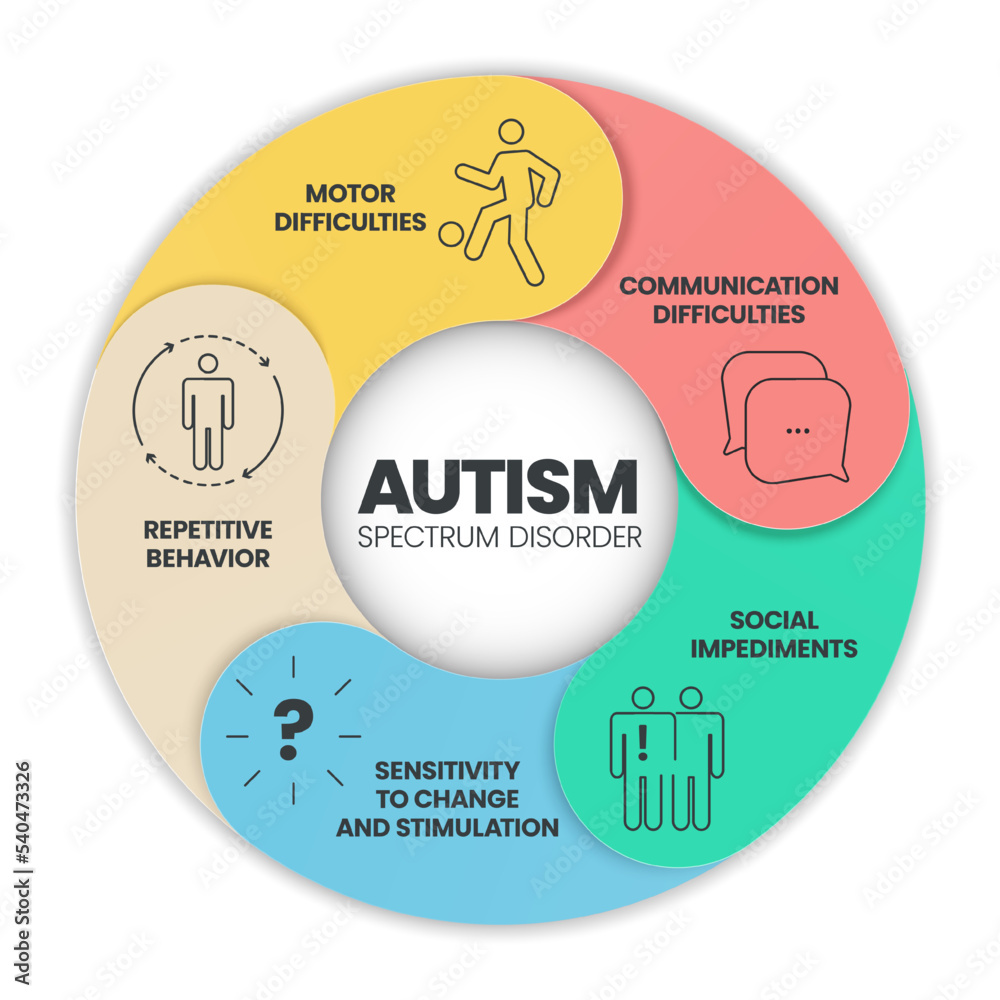
- Avoidance of eye contact: A child may look at the ground or a toy instead of peers. Repetitive actions: Repeatedly lining up blocks or spinning a merry‑go‑round in the same sequence. Isolation despite proximity: Sitting alone even when other children are nearby.
Communication Hiccups
- Literal interpretation of language: Taking “play with me” as a request to physically hold hands rather than engage in imaginative play. Limited back‑and‑forth dialogue: One‑word responses or a refusal to ask questions in return.
Sensory Sensations
- Over‑sensitivity to noise: The squeak of a swing might trigger a full‑blown escape. Under‑sensitivity to touch: A gentle tap on the shoulder may go unnoticed, causing a child to miss social cues.
These behaviors can overlap with shyness or anxiety, but when combined—especially in the playground context—they may point toward autism.
A Real‑World Snapshot: The Case of Ethan
Ethan’s Playground Story
Ethan, 7, was the quiet kid who spent most of recess staring at the slide’s shiny metal. One sunny afternoon, a group of classmates formed a circle to play tag. Ethan lingered at the edge, watching the game but never joining. When a teacher asked him to play, he responded, “I don’t want to.”
A parent’s observation: Ethan’s eyes darted to the ground whenever a peer approached, and his hands clutched a backpack strap as if it were a lifeline.
Lessons Learned
- Early red flags: Ethan’s avoidance of eye contact and insistence on “solo play” were early signs. Intervention outcome: With a structured play plan, Ethan began to engage, eventually leading a small group to build a sandcastle.
This anecdote underscores that with the right support, children who initially seem detached can thrive socially.
Practical Tips for Parents and Teachers
Building a Playful Bridge
- Model interactions: Demonstrate how to ask for a turn or share a toy. Use simple scripts: “Can I play with you?” or “Do you want to build together?” Celebrate small wins: Acknowledge when a child initiates conversation, even if it’s just a nod.
Structured Play Sessions
- Create predictable routines: Start with a “circle time” where everyone sits and shares a quick story. Assign roles: Rotate responsibilities—leader, timekeeper, helper—to give each child a sense of purpose. Use visual cues: Picture cards showing different play scenarios can help children anticipate and participate.
Sensory‑Friendly Adjustments
- Quiet corners: Designate a low‑noise area for children who need a break. Soft‑touch equipment: Offer foam mats or plush toys as alternatives to rougher surfaces. Noise‑cancelling headphones: For kids overwhelmed by ambient sounds, a pair of headphones can provide relief without isolating them.
When to Seek Professional Guidance
Red Flag Checklist
- Persistent social withdrawal: No interest in peer interaction over several months. Communication gaps: Limited or no verbal communication despite age‑appropriate development. Repetitive behaviors: Obsessive focus on a single object or activity.
If these signs persist, consider a developmental evaluation.
Early Intervention Benefits
- Improved social skills: Structured therapy can teach turn‑taking and empathy. Academic gains: Early support often translates to better classroom engagement. Family confidence: Knowing a plan is in place reduces anxiety for parents and caregivers.
“Early intervention is like planting a seed in fertile soil—if nurtured, it blossoms into confidence and resilience.” https://jasperiusq549.raidersfanteamshop.com/what-are-sensory-sensitivities-that-may-signal-autism-in-toddlers – Dr. Maya Patel, Pediatric Neurologist
Wrapping Up: Empowering the Playground Experience
Playground time should be a playground of possibilities, not a playground of exclusion. By recognizing autism signs in children who have difficulty with social interactions in the playground, we can turn https://donovanizfd050.lowescouponn.com/how-to-find-an-autism-assessment-for-a-child-with-a-developmental-disorder-in-metropolitan-area-australia those quiet corners into launching pads for confidence.
- Observe, not judge: Spot the subtle cues before labeling. Engage, not force: Offer gentle invitations and let the child decide. Advocate, not wait: Early professional help can set the trajectory for lifelong social success.
If you’ve noticed your child or a peer exhibiting these patterns, reach out to a pediatrician or school counselor. A small conversation today can pave the way for a brighter, more inclusive playground tomorrow.